
The day I knew would one day come arrived in late January 2024. Since 2007 I’d been bringing small groups to Chiapas, the southernmost Mexican state, for immersion experiences in the sacred ways of the Living Maya. Our time in Nahá, the tiny Lacandón Maya village, a population of less than 200, was always the major high point for me.
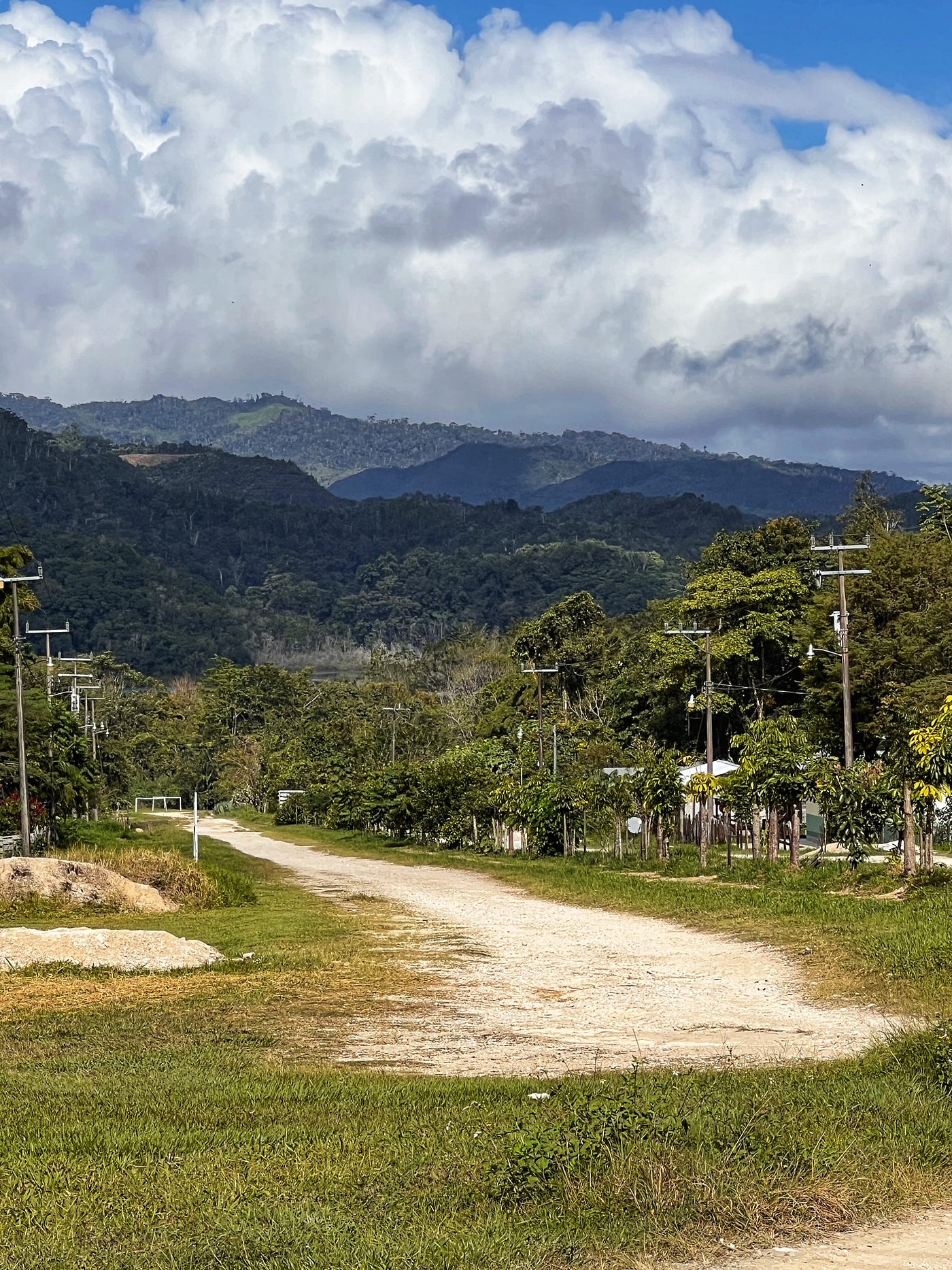
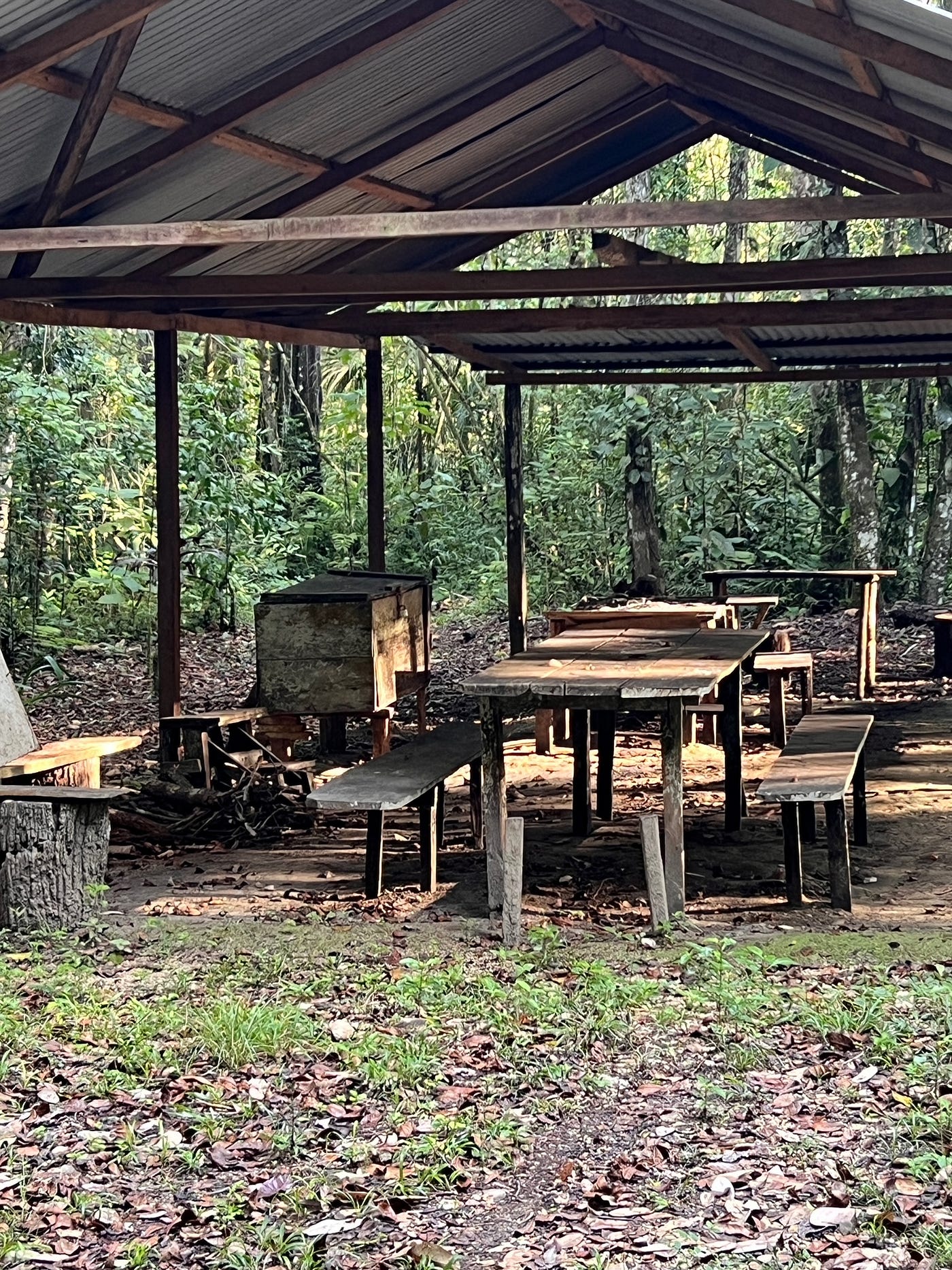
It’s a long bumpy drive through what used to be a thick jungle before loggers appeared in the 1960s. Entering the village, there’s one long dirt road bisecting it. Before any passageway granted access, this was the grass landing strip whereby Trudi and Frans Blom flew in and out since the 1940s. Having befriended the Lancandones, they became advocates for the preservation of their traditions and the rainforest. They’d created a jungle camp, staying there frequently. It still stands. Indeed, it’s impossible not to feel their presence there still. I stayed in their historic camp when the few guest cabins were being restored. Their adopted daughter Doña Beti often came with us. She insisted on cooking our meals over the open fire, feeding us at the camp dining table. I especially imagined Trudi sitting at a place of honor, holding court in her legendary manner. Trudi and Frans passed in 1993 and 1963, respectively, first laid to rest in San Cristóbal de las Casas. In 2011, the Bloms were reburied in the village cemetery, close by their friend and spiritual leader Chan K’in Viejo, at last fulfilling both their long-held wishes.
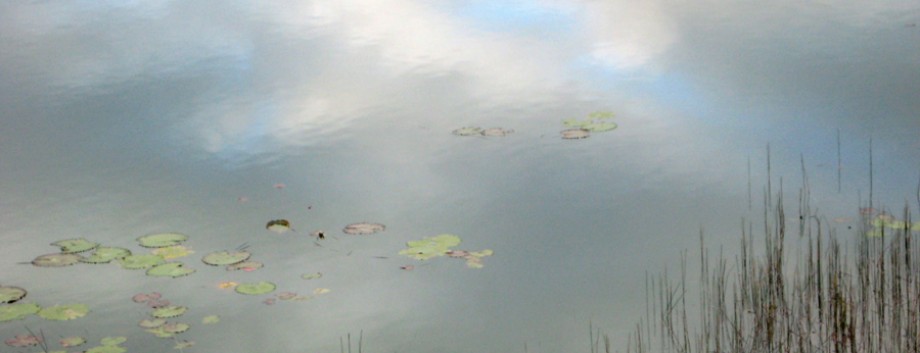
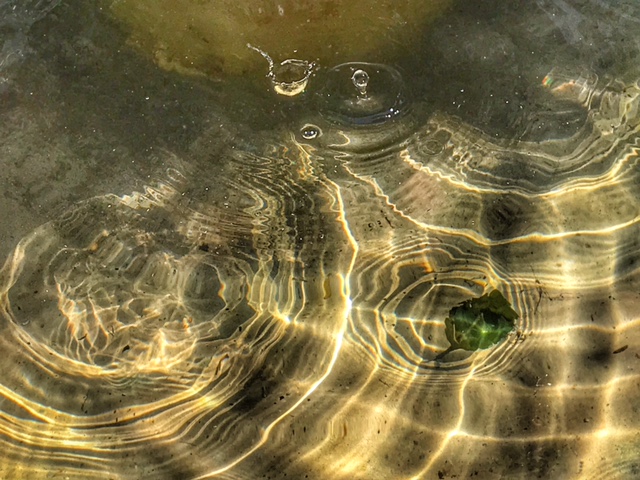
Nahá means the place of water in the Lacandón language. Indeed, the lake has a mystical quality. I draw on memories of mist hanging over the lake, lily pads at the edges. The other side can’t quite be seen. Gliding along in the traditional dugout canoes, it just might be possible to enter another world. I’ve felt the invitation.

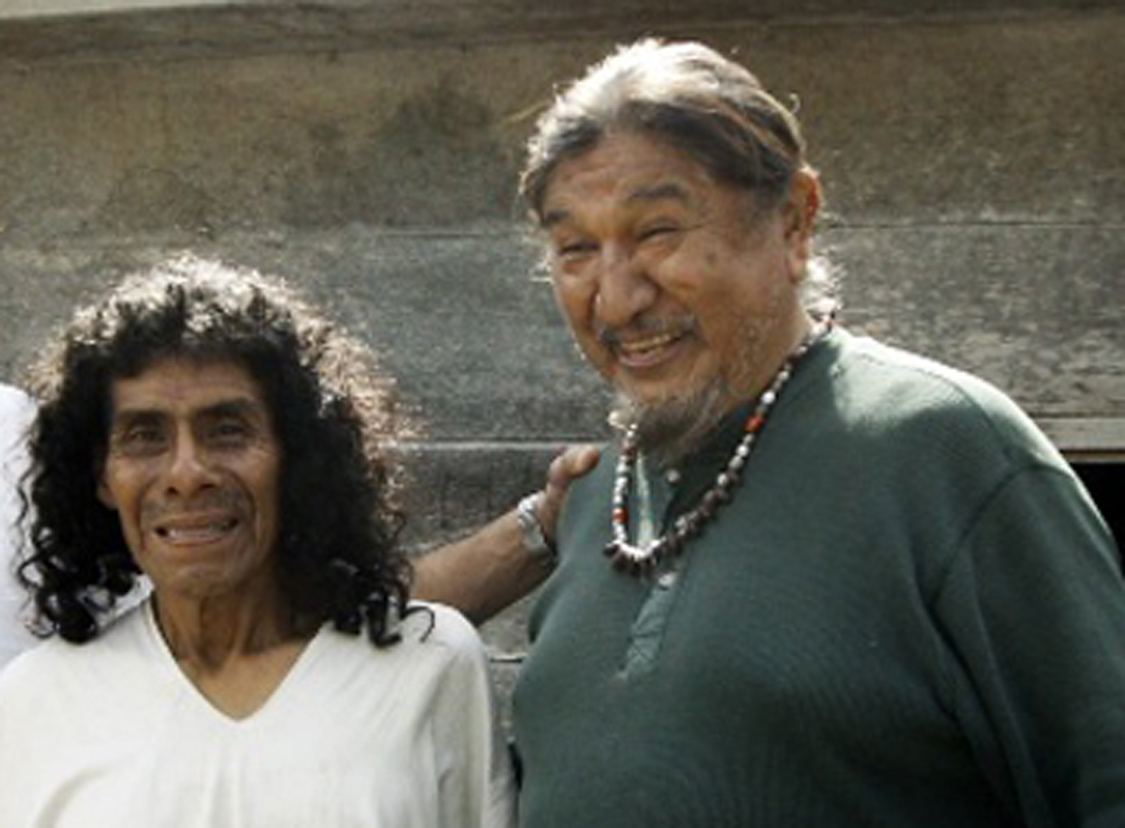
My reason for coming to Nahá all these years was to pay respects to Don Antonio, the last holder of their spiritual traditions and Chan K’in Viejo’s son-in-law. This sweet, humble man carried on courageously for decades, fulfilling his sacred traditions despite great duress and interference from evangelicals. In 2012, I wrote The Last Spirit Keeper tracking manipulations from those outside sources and the beautiful connection made in 2009 between Hopi wisdom keeper Harold Joseph and Don Antonio during his time of grief at the sudden loss of his son.
The pandemic had interfered with my annual return until this year. Once arriving in Nahá, it was practice to check in with Don Antonio to say hello and ask about his plans for the balché ceremony.* My friend Eli PaintedCrow and I walked from the lodge on the edge of the village to Don Antonio’s home according to our norm. A young relation greeted us and went to get Don Antonio. I was shocked by the sight of him. He was quite frail and bent. He had trouble walking. He didn’t recognize me. After all these years of appearing ageless, he now seemed not long for this world. Only his long dark hair remained the same. I was saddened by his appearance. I couldn’t imagine he would hold the ceremony or even have the desire. But he asked us to come to his god house with the group the next afternoon.
It was then I learned he was going blind. He kept gazing at me like perhaps he should know me. When he came quite close, he lit up with recognition and began to talk of past times I’d been there. He had a new god house now located just beyond the house. The old god house where I was used to going was about a quarter mile away. He was no longer able to walk to the old one. He had a stick to help maintain his balance and had trouble getting up when seated or kneeling. When people asked me how old he was I’d say probably eighties and then maybe ninety as years were passing. It was sometimes a challenge to keep track, and I wasn’t even sure of his age the first time we met.
When we arrived the next day, he was preparing for the ceremony. He bustled around the interior of his god house readying the god pots. Each one had a face on it, symbolizing one of their thirteen gods. He placed them on an altar made of large palm fronds lying on the ground and put a copal inside each one. He invited us to sit on the logs just inside the perimeter of the god house. Females were not traditionally allowed inside as males were. But he’d always been gracious. This time was no different. The previous day I made sure to let him know we were eleven women, unsure how he’d feel about that. No men were with us. He looked a little taken aback for a moment but assured us we were welcome.
He’d already ladled balché from the old dugout canoe where it fermented into its large terracotta container. Now he made his offering to each god. Dipping a rolled-up young palm frond into balché, he trickled the liquid over the jutting lower lip of each god pot. Sitting down on the log seat in front of the balché vessel, he sighed with satisfaction and offered gourd bowls containing the drink to each of us. The first sip is always a bit of a shock to my taste buds but quickly becomes tastier as the ceremony progresses. I noticed the same response on the women’s faces in the circle.
After a few healthy gulps, Don Antonio was quiet for a few moments. Then he began to speak softly, saying he hadn’t done the ceremony in a long time, how no one came to see him anymore, and his people no longer cared for the gods. It was then his wife, who rarely joined the circle, came from the house, looking in on him, stroking his hair, lightly touching his face. I’ve heard Don Antonio note the lack of interest his people had every time I’d been there, and how in the old days this ceremony healed people. But the gods weren’t showing up so much anymore either. They’d been forsaken. With his wife’s concern for her husband and the love she clearly showed, his lament took on an even more imminent conclusion. I had tears in my throat and a few slipped down my cheeks. I can only imagine what it’s like to be the last one practicing ancient traditions. I can only imagine the loneliness.

But he began to brighten. Eli sat next to him, talking to him in Spanish. I couldn’t hear what she said but guessed she expressed her great interest in their ways. Eli’s presence on our journey was important to me and even more so to her. She’d come to reconnect with her Maya lineage, having suffered that loss when her dear grandfather passed many years ago. Soon Don Antonio was telling stories and singing traditional songs, even one about the merits of drinking balché.

After a while, Don Antonio made an announcement. He told us at one hundred years old he would no longer hold the balché ceremony, and the last one would be with us eleven women. He told stories, sang, lit the god pots, and prayed. He blessed us. We drank balché. This may have been a poignant time, but there was joy just as well. I saw it on his face. This gentle soul held steady for what mattered. We all can learn from his example.

That day marked the end of an era. Don Antonio has no apprentice. There’s no one who would carry on the traditions. This fact was confirmed a couple of days later at Palenque when Eli and I visited with some Lacandón women from Chan K’in Viejo’s lineage who had a booth there. I heard that old friends of Don Antonio’s visiting from the US, went to see him the day after we left. He was still happy and they all drank the leftover balché. That news lifted my heart.
The old dugout canoes have been gone over a decade, save the one at Don Antonio’s god house and another sunken in water at the edge of the lake, just one end sticking up. Fiberglass boats took their place. Then the last couple of young men who used to attend the ceremonies slipped away suddenly, too. On a subsequent trip, I saw one who had made vows, in conversation with me, to continue his traditions. But the next time I saw him, he’d been dressed in Western clothing. I learned later he’d converted to evangelism.
Over the last eighteen years, I’ve witnessed the steady disintegration of Lacandón spiritual practices as foreign influences took their place. Of course, it started long before then with roads cut by loggers and decimation of the rainforest and wildlife habitat. Nahá was once a place that had stepped outside time. I feel fortunate to have experienced it that way.
*The balché ceremony, undertaken by the males in the community, is a conduit for blessings, prayers, and a way of honoring. Individual gods are represented through terracotta god pots, with the face of each god and the interior meant for burning copal. Any god pot may be chosen for use during the traditional ceremonies. Don Antonio, as caretaker of the god pots, communes with the gods that hold the world together. And when he feeds the god pots copal, tamales, and balché, he is feeding the gods, the universe, and everything in it. The ceremony and its preparation take many hours.
One Last Ceremony was originally published in the Illumination publication on Medium in March 2024.

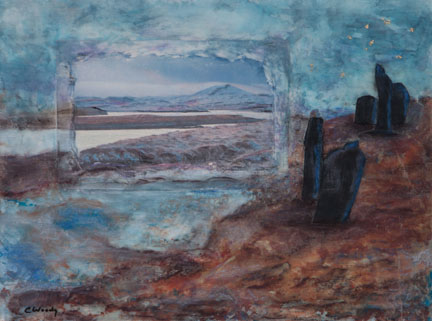

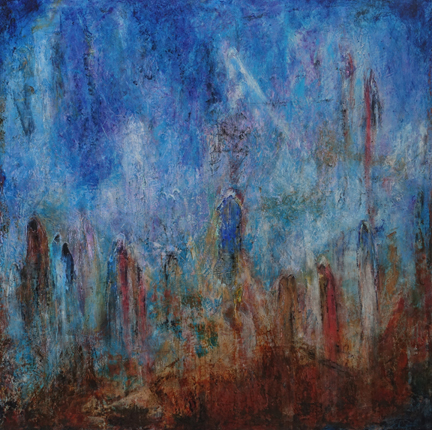
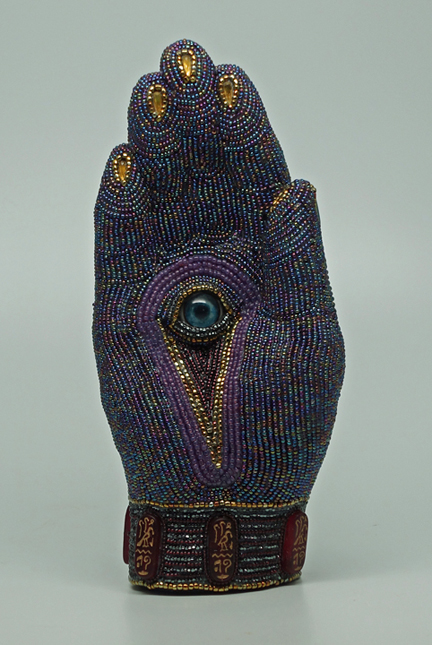

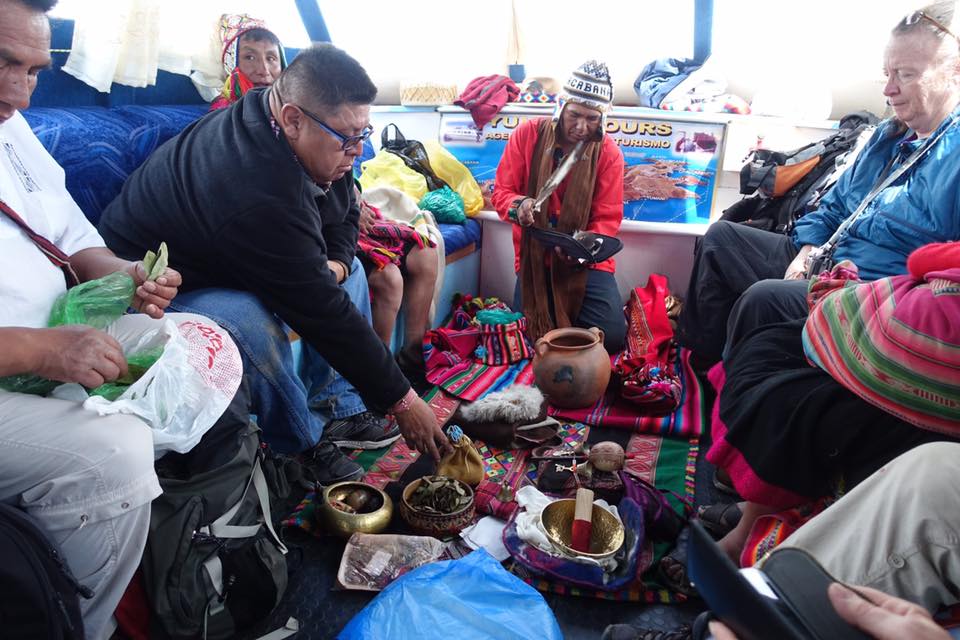

 When I was in my late thirties, I became certain that something big was on my personal horizon. I had no idea what it was but just knew it was out there waiting…and would change the very fabric of my life. I remained open to discovering what was in store because it was so compelling. But in another way…scary. It contained uncertainty. A few years passed when suddenly the threshold appeared. It happened quickly. It was palpable. I was standing before it, and all looked so much brighter on the other side…even though I still couldn’t make out exactly what was there.
 The Horse Boy came to my attention through one of the travelers on my
 The Lifepath Dialogues